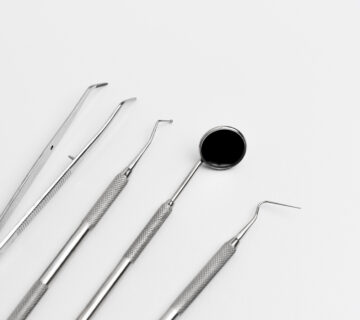
Elevating Precision: The 2026 Guide to Surgical Instrument Procurement
In 2026, the operating room is a symphony of human expertise and digital intelligence. As surgical techniques evolve toward ultra-minimally invasive procedures and robotic integration, the tools in a surgeon’s hand must do more than just cut and hold—they must communicate, adapt, and endure.
At [Company Name], we understand that selecting the right instrumentation is a strategic investment in patient outcomes and facility efficiency. Here is how to navigate the procurement landscape this year.
1. The Era of “Digital Feedback” Instrumentation
The standard for 2026 is the Smart Instrument. We are seeing a massive shift toward tools equipped with micro-sensors that provide real-time haptic feedback.
- Why it matters: These instruments detect tissue density and pressure, alerting surgeons to potential nerve proximity or vascular fragility.
- Our Approach: We prioritize sourcing instruments that bridge the gap between traditional tactile feel and digital precision, ensuring your surgical team has every data advantage available.
2. Seamless Robotic Integration
With robotic-assisted surgery (RAS) now accounting for a significant percentage of soft-tissue procedures, instrument compatibility is no longer optional.
- The “Open Ecosystem” Advantage: Moving away from proprietary, “locked” systems allows your facility to remain agile. We focus on instruments that offer cross-platform compatibility, reducing your total cost of ownership.
- Precision End-Effectors: Our 2026 catalog features specialized micro-forceps and needle drivers designed specifically for the high-torque requirements of modern robotic arms.
3. Ergonomics as a Retention Strategy
Surgeon fatigue is a leading cause of burnout and procedural error. In 2026, ergonomic design is a primary safety metric.
- Lightweight Alloys: By utilizing Titanium and advanced Carbon Fiber composites, we provide tools that are up to 40% lighter than traditional stainless steel.
- Customizable Interfaces: We offer instruments with modular handle designs to accommodate diverse hand sizes, ensuring comfort during marathon cases and reducing the risk of repetitive strain injuries.
4. Sustainability and the “Circular” Supply Chain
Environmental impact is now a boardroom priority for healthcare systems. The 2026 procurement trend has shifted from “disposable-first” back to “quality-reusable.”
- The 500-Cycle Standard: We source high-grade German stainless steel treated with advanced plasma coatings. These instruments are designed to withstand rigorous sterilization cycles without losing their edge or structural integrity.
- Waste Reduction: Investing in durable, long-life instrumentation significantly reduces your facility’s medical waste profile and long-term overhead.
5. Compliance in a Post-Harmonization Market
With the 2026 updates to the FDA’s Quality Management System Regulation (QMSR), staying compliant requires meticulous tracking.
- Full Traceability: Every instrument we provide comes with a unique device identifier (UDI) laser-etched for seamless integration into your digital tracking and sterilization software.
- Global Standards: Our inventory meets both ISO 13485 and the latest EU MDR requirements, giving your facility peace of mind in any regulatory environment.
Partner with Xenamed industries
Choosing your surgical instruments is about more than a catalog number; it’s about a commitment to excellence. At Xenamed industries, we don’t just supply tools—we provide the precision that powers modern medicine.
[Contact Us ]