The Dental Extraction Toolkit: Essential Instruments for a Common Procedure
While maintaining natural teeth is the primary goal of modern dentistry, extractions—the careful removal of a tooth—remain a necessary treatment in specific situations. This might include teeth that are severely damaged by decay or trauma, significant gum disease, orthodontic crowding, or impacted wisdom teeth. If you have been scheduled for this procedure, understanding the tools involved can demystify the process and help alleviate potential anxiety.
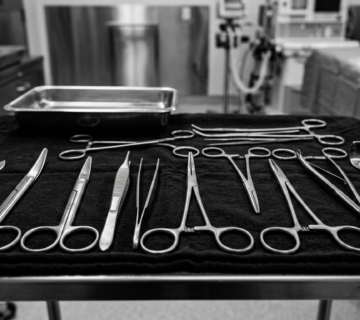
Far from relying on simple force, a successful dental extraction is a precise procedure using a specialized collection of instruments, each designed for a specific task. Here is a look at the key instruments your dental team uses to ensure the procedure is safe, effective, and as comfortable as possible.
Setting the Foundation and Assessment
The procedure begins with essential tools that prepare the area and ensure accuracy.
- Dental Syringe: Before any direct action on the tooth, the dentist must ensure the area is completely numb. The dental syringe is used to precisely administer local anesthetic, providing crucial comfort for the patient throughout the extraction.
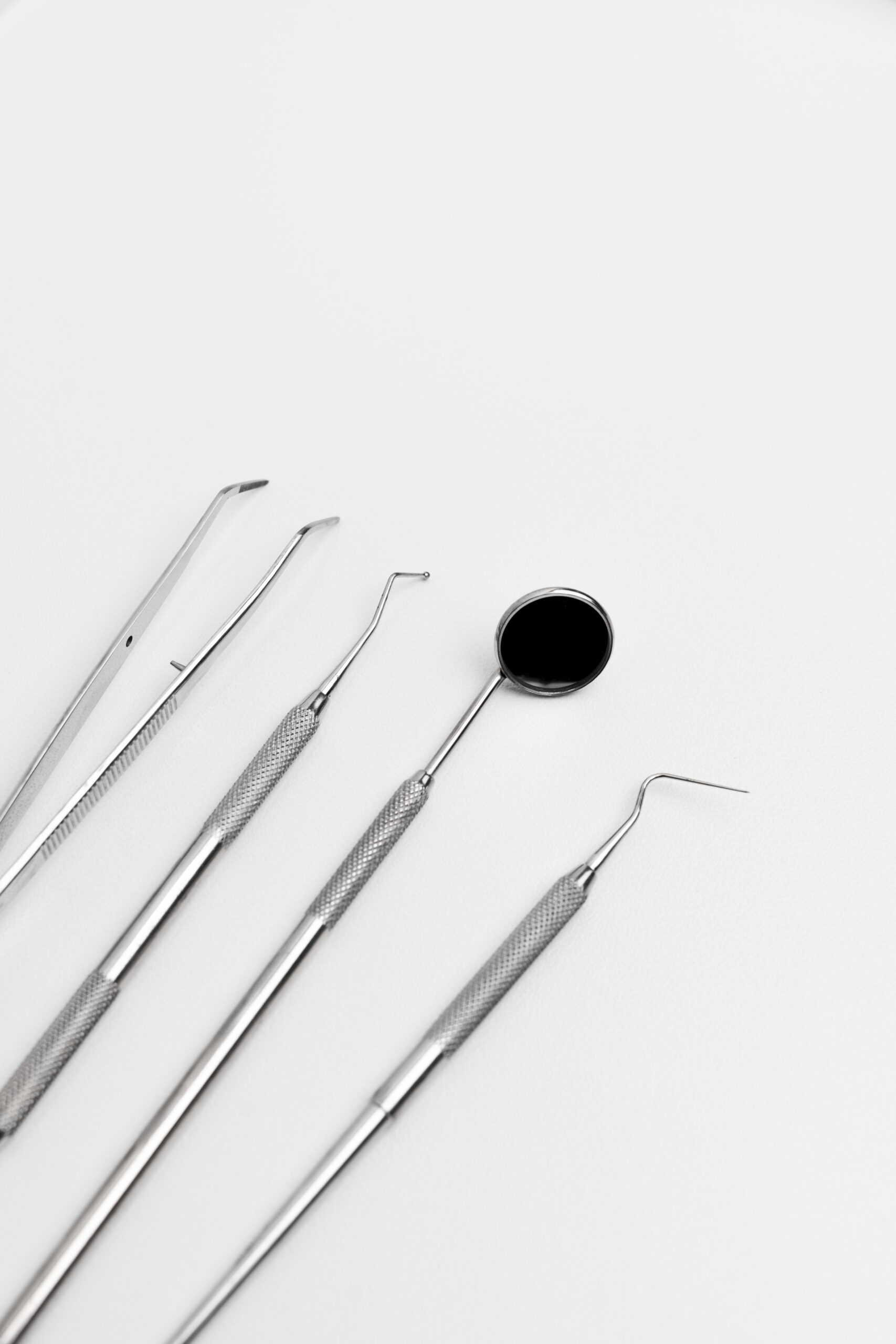
- Mouth Mirror and Probes: Visibility is paramount. A high-quality dental mirror provides the dentist with a clear view of the tooth, the surrounding bone, and gum tissues, especially in hard-to-reach areas. Various explorers or probes are used to assess the current state of the tooth, check the gumline attachment, and identify any hidden issues before proceeding.
Preparation: Separation and Widening
A tooth is not just stuck in place; it is secured by many fine but strong fibers known as periodontal ligaments, anchoring it firmly within the socket in the jawbone. Removing a tooth often involves first severing these fibers and creating space around the tooth.
- Periotomes: These very thin, specialized instruments are designed to work under the gumline to carefully detach the tooth from these periodontal ligaments. This separation allows the tooth to move more freely, minimizing trauma to the bone.
- Dental Elevators: These handheld instruments look like levers and are fundamental to nearly every extraction. They come in various sizes and tip configurations. Insertion of an elevator between the tooth and the surrounding bone creates crucial space and uses leverage to gently rock the tooth and loosen it within the socket. This step is perhaps the most critical for ensuring a predictable and atraumatic removal.
The Tools of Removal: Forceps and Techniques
Once the tooth has been adequately loosened, specific tools are used to carefully grasp and deliver it from the socket.
- Extraction Forceps: While sometimes perceived with apprehension, dental forceps are engineering marvels designed for control, not brute strength. There are many unique designs, each specific to the anatomy of particular teeth (incisors, canines, premolars, or molars) and their location (upper jaw vs. lower jaw).
- Design and Function: The grasp is always on the tooth root or neck, rather than the crown, which could easily fracture. Maxillary (upper jaw) forceps are often contoured or have bent handles for better access, while Mandibular (lower jaw) forceps typically have shorter, broader meet-angles to manage the bone density and provide efficient leverage.
- Specialized Grasping Tools: Some procedures may require more delicate grasping tools for specific challenges.
- Root Tip Forceps: If a small portion of the root separates or fractures during removal, these fine, precise instruments are used to carefully retrieve the fragments, ensuring the entire tooth structure is removed.
The Final Steps: Socket Care and Healing
After the extraction is complete, the focus shifts to ensuring proper healing and socket hygiene.
- Surgical Curettes: These instruments, often featuring small, scoop-like tips, are used to gently clean the empty socket. They remove any small debris, granulation tissue (from a prior infection), or small bone fragments that could interfere with the healing process.
- Post-Operative Essentials: Once the socket is clean, initial healing is paramount.
- Needle Holders and Sutures: In some cases, particularly for surgical extractions (such as impacted teeth), the dentist may place sutures to close the extraction site, promote stabilization of the area, and assist healing.
- Sterile Gauze: A cornerstone of immediate post-operative care, firm pressure applied by biting down on sterile gauze helps to control initial bleeding and, critically, promotes the formation of a stable blood clot within the socket, which is essential for healthy, complications-free healing.
Understanding the Procedure
Knowing the functions of these instruments reveals that a dental extraction is a structured, systematic process. While the sight of specialized tools might create initial unease, each instrument exists to minimize discomfort and maximize procedural success. When you understand how the dental team works with these precise instruments, the entire experience becomes less intimidating and more focused on ensuring your long-term oral health and comfort.